There should always be room in one’s life for a ‘first-time’, sometimes combined with “that’s the last time I’m doing that!”
This week for me, it was laying a concrete base. And it was at midday on a scorching hot day, which explains why I won’t be doing it again anytime soon. To be fair, it was not the concrete that broke me. It was having to wheelbarrow 20 loads of the wet sloppy stuff from the delivery lorry to the back of my garden. Uphill and in the burning hot sun. Without the help of my step-son, and kind lorry driver, I doubt that less than half of the load would have made it.
But the reason for this blog is not the sweat and tears resulting from trying to tame one cubic metre of wet concrete. It is the oh so clever name of the business delivering the material. In case you hadn’t guessed, William the Concreter is based near Battle. Famous as as the location of the 1066 battle of Hastings. Just down the road from where I live in sunny Eastbourne.
If you listen to the wonderful Mark Steel’s in Town, in Hastings, you can hear about the many local businesses who have found a way to incorporate this momentous battle into their names. But this is definitely the best:
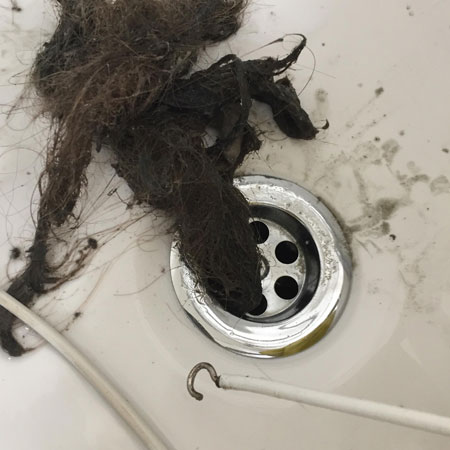
As a regular viewer of I’m a Celebrity…Get Me Out of Here! (the perfect ‘lock-down’ viewing), I realise there are worse jobs than cleaning drains blocked with hair. In my house anyway, there aren’t usually any snakes or naked rats involved. But as disgusting tasks go, I think it runs the ‘trials’ pretty close. Especially if the hair in question has had time to congeal and putrefy in the drain U-bend.
So, of course you are asking, is there a gadget which can solve this repulsive task? And the answer is a resounding YES!
Let me first take you on a brief tour of my previous so called solutions to this household challenge. Something I have had to deal with most of my adult life, due to wives and children who seem to shed hair at an alarming rate.
According to Sienna Fantozzi I shouldn’t be surprised, as it normal to lose up to 100 strands of hair a day. That sounds a lot until you consider the average human head has over 100,000 strands. So, plenty more where that came from. (How Much Hair Loss Is Normal When You Shower?)
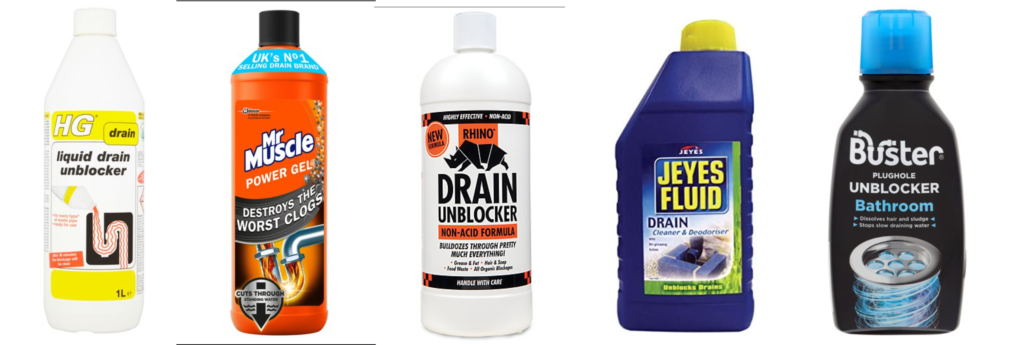
For many years I relied on a range of powerful chemicals such as these below, with mixed success. But always the blockage came back with a vengeance.
Then I graduated to the ‘hard stuff’, Caustic Soda. Which I had used with great effect to clean out the gummed up insides of my motorbike exhaust pipes. I loved hearing the fizzing sound coming out of the blocked pipes as the soda got to work. I wasn’t so keen on the noxious chemical smell. And wearing rubber gloves to avoid burns was de rigour. I wasn’t too happy about what the chemical was doing to the water in the drains either. And of course it was still only a temporary solution to the problem.
Next I switched to a non-chemical approach by buying a drum auger. As you can see in this video, it is not an easy process. Many times I had to wind out the full length of the wire before the blockage was cleared. And in my experience, you pull most of the decomposing hair ball back up into the sink, and spend the next 15 minutes trying to remove it from the device. Whilst trying to hold your breath to avoid the stench of rotting hair.
So finally we come to the solution to the problem of hairs blocking my drains. Catch them before they go down the plug hole with a TubShroom or a SinkShroom.
It looks deceptively simple, and like all great inventions, it is. The only snag for me was that I have old sinks with built in drain holes. However, half-an hours work with my trusty drill and file, had that impediment removed. And the the SinkShroom could be inserted. Since then I have to clean it out every few weeks as the water flow starts to slow down. But taking out a few relatively fresh strands of hair every few weeks is absolute bliss compared to any of the previous so-called solutions. If you don’t believe me, there are plenty of reviews to be found on YouTube like this one.
I recently came across this photo on social media, and it made me think about names for window cleaning companies.
If you have read my previous posts, you will know I love a clever name for a business. And this is one of the best I have seen. Just in case you don’t get the joke, say the name out loud as one word, and you should get … missed a bit.
Perhaps it’s not the best for those who take their names literally. But I think it is both clever and funny, which makes it memorable. And every businesses wants to have a name people can recall easily.
I have a personal interest in window cleaning, as my cousin started his Clear Bright business over 20 years ago. He has lots of great window cleaning stories from his years popping up and down ladders.
As an aside, he also came up with a brilliant invention for improving map indexing, to make it much easier to find customers houses. GB2365196A Identifying locations on a surface, e.g. a map. As with so many inventions, its value was not recognised by the map producers of the day. So the it went down the cul de sac of history.
My cousin Steve Infield and his Clear Bright company
In terms of describing the service offered, Clear Bright is a pretty good name.
Here are a few highlights from over 700 UK window cleaning companies I found on a recent Fame database search. I’ve marked my favourites with a *. Which are your favourites and why?
1ST GLASS WINDOW CLEANING LTD
20 : 20 CLEAN LTD
4 CORNERS CLEANING LTD
AADVARK CLEANING COMPANY LIMITED
ALL CLEANED UP LIMITED
* ALL WASHED UP LTD
B CLEAN (ROSSENDALE) LIMITED
BEE CLEAN LONDON LTD
BUBBLES & SUDS LIMITED
* BUBBLES WINDOW CLEANING SERVICES LTD
C THRU WINDOW CLEANERS LIMITED
CLARITY WINDOW CLEANING LIMITED
CLEAN & PRISTINE LIMITED
CLEAN IMAGE (SOUTH WEST) LIMITED
CLEAN IT ALL (NORTHERN) LIMITED
CLEAN NATION WINDOW CLEANING LIMITED
* CLEAN SLATE CLEANING SERVICES LIMITED
CLEAN VIEW WINDOW CLEANERS LTD
CLEAN.CLEAN.CLEAN
CLEANEST WINDOWS LIMITED
CLEAN-MY-WINDOWS LIMITED
CLEARVIEW WINDOW CLEANING SERVICES LIMITED
COME CLEAN LIMITED
CRYSTAL CLEAN WINDOW CLEANING SERVICES LTD
* CRYSTAL CLEAR WINDOW CLEANERS LIMITED
DAYGLEAM LTD
* DIVINE SHINE LIMITED
GLEAM WINDOW CLEANING NORTHERN LIMITED
GLEEM CLEAN LIMITED
LIONHEART WINDOW CLEANING LIMITED
* PARTNERS IN GRIME (CLEANING) LIMITED
PERFECTSHINE WINDOW CLEANING LTD
POLE POSITION CLEANING LIMITED
PREEN AND CLEAN LIMITED
PRIME SHINE LTD
PRISTINE AND CLEAN LTD
PURE RINSE LIMITED
PURE WINDOW CLEANING LIMITED
PURERCLEAN LIMITED
PURESHINE WINDOW CLEANING LTD
REFLECTIONS WINDOW CLEANING LTD
* RISE & SHINE WINDOW CLEANERS LIMITED
SEE THRU WINDOW CLEANERS LIMITED
SMUDGEOFF CLEANING SERVICES LTD
SPARKLING WINDOWS LTD
SPICK AND SPAN LIMITED
* SPLASH AND SPARKLE LTD
* SQUEAKY CLEAN WINDOW CLEANERS LIMITED
STREAKWISE LIMITED
SUNSHINE WINDOW CLEANING COMPANY LTD
SUPERCLEAN EXPRESS LIMITED
TOP DOG WINDOW CLEANING LTD
TOTAL SHINE MK LIMITED
ULTRACLEAN (NORTH WEST) LTD
ULTRACLEAR LIMITED
VISION CLEANING LTD
VISIONCLEAR (WL) LTD
WASH WINDOWS LIMITED
* WET N WILD CLEANING SOLUTIONS LTD
WHALE CLEANING LIMITED
WHITEWASH LTD.
WINDOW CLEAN UK LTD
WINDOWPAYNE LIMITED
* WIPEOUT CLEANING LIMITED
Source Ronaldo Santos on Unsplash – photo-1523408255168-75b935ec2bc3 https://unsplash.com/photos/fpbOXa8Lo1Y
And this includes our local provider Hook and Son. We had already switched to them a few months before the virus, so didn’t have to join the long queue of new customers wanting to sign up. It has been a fantastic opportunity for this farm who had been struggling for many years to make ends meet.
Now that my wife and I are both working from home, we find we are getting through more milk than ever before. So we have switched to their larger one-litre bottles.
And so we come to the need for a new gadget. The metal tops on these new bottles are really stiff. And we all seem to struggle to get them off.
So it was time to research a better way to remove these resistant lids. This is one of my favourite activities – I am a librarian / information professional after all. But this topic proved challenging, as there are many rival products on the market with very different approaches, and results.
A Google search for ‘jar opener reviews’ results in over 2 million results, with Top 10 Best Jar Openers On The Market 2020 Reviews first. Despite their in depth analysis of 10 different openers, including pros and cons lists, I was not ready to buy.
At first I was tempted by the Kichwit, with the big white handle on top. But after extensive reading of reviews I was put-off. It seems the two metal prongs squeeze and damage the lids instead of gripping them effectively. Some customers have improved them by adding a rubber layer.
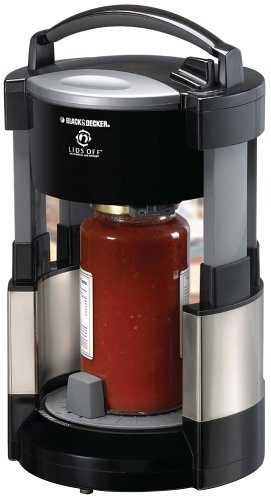
Anything battery powered was out for both environmental and complexity reasons. So that led to to the Oxo Good Grips (black with metal V above). The original version got rave reviews, so I was all set to buy. But then discovered the current version had lost the plot. Not only was it no longer effective at removing lids, it also frequently damaged them with its sharp metal teeth.
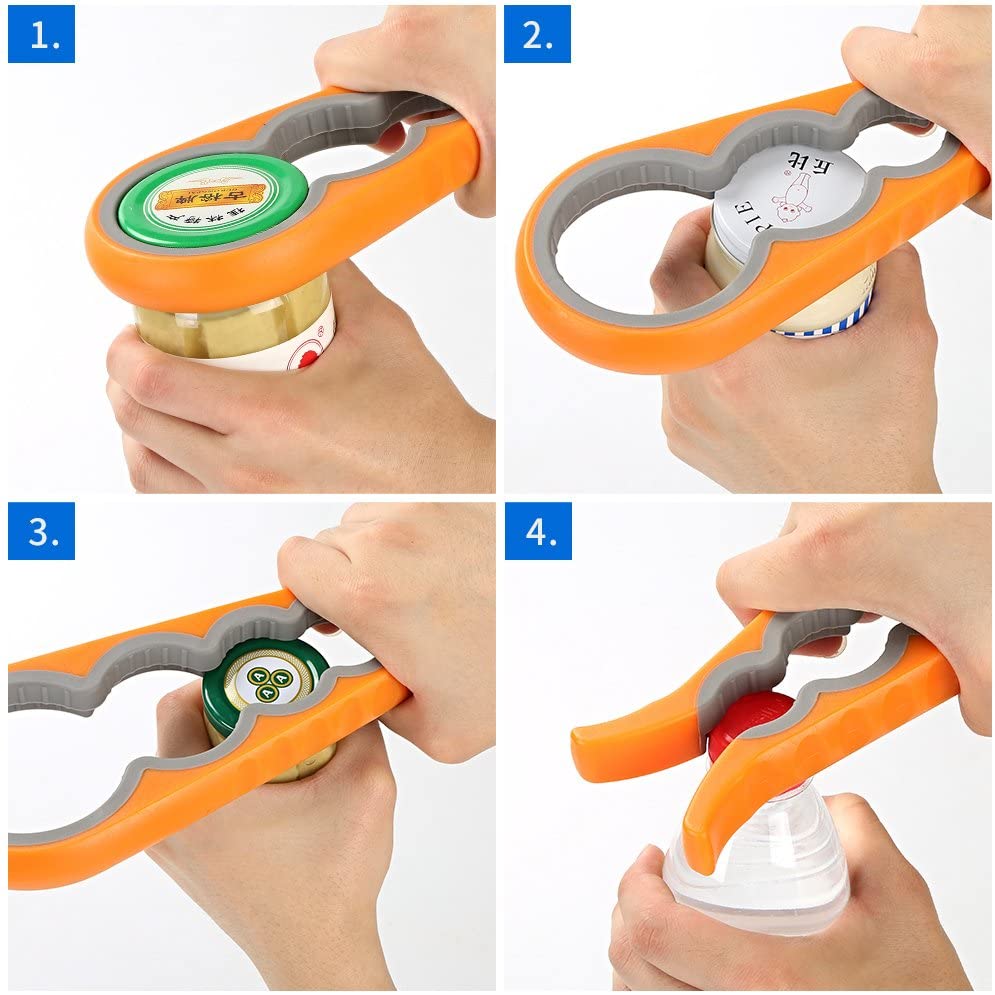
I finally settled on the Easi-Twist, which looks like a giant nut-cracker. The version I found on Amazon had 4.2 out of 5 stars from 809 customer ratings. The fact it only cost £3.99 including free delivery may also have had some influence on my decision.
I have now tested it on a variety of lids including of course the new milk bottles, and my favourite Bon Maman Apricot Conserve. I have had no failures to date, so I’m very happy, and so are my wrists.
Some of us have been using the Coranavirus lockdown to increase our exercise and eat healthily. But there are many who have been resorting to comfort food to help get through through these strange and troubling times.
I have been doing a bit of both, with regular walks with my dog on the local South Downs, some fresh vegetables from the the garden, and frequent cups of hot chocolate drinks.
For the first time in my life I have been having real trouble sleeping at night, along with many others across the country. For several weeks I was regularly waking at 4am, and not properly getting back to sleep afterwards.
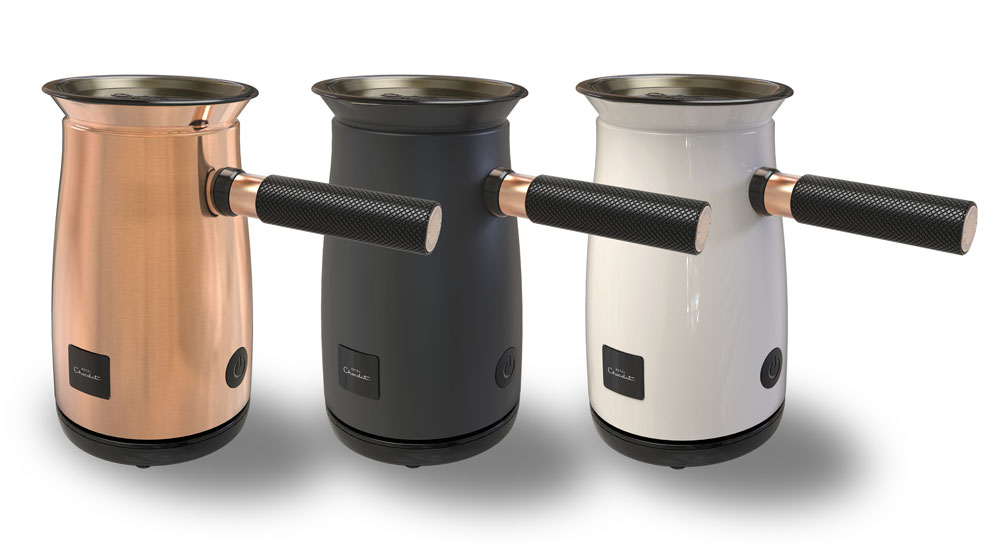
If you have read this blog in the past you will know I am fan of gadgets. And the latest one in our household is a Velvetiser from Hotel Chocolat. In this case it was my wife who discovered and lobbied for its purchase.
The Velvetiser is the opposite of a Swiss Army knife gadget, in the sense that it has just one purpose, to create beautifully creamy hot chocolate. To add to my interest it has an ingenious design separating the motor from the mixer. And it is based on a patented invention from Dualit, the company who actually builds the machine.
Is it any good?
So you are asking, is it any good? And the answer is resounding yes. Using either the supplied Hotel Chocolate range of pouches including Caramel, Chilli, Dark, Fruity, Ginger, Milk, Mint, Supermilk, and White. Or alternative suppliers of flavours. After two minutes of whirling and heating, a ‘velvety’ smooth delicious drink appears.
You can be adventurous and use your own chocolate bars, grating them into flakes to make your own favourite drinks. So far I have experimented with Terry’s Chocolate Orange, Green & Blacks Mint bar and several others. All have proved delicious, with one notable exception. The 100% Dark Honduras was just too strong and bitter for my taste.
And although the Velvetiser was designed for just one purpose, I have discovered it also makes perfect frothy milk to go with my daily cappuccino. So now it is a two in one!
I have to confess to being rather late in discovering the BBC Radio 4 show The Best Thing Since Sliced Bread. Now into its second series where, “Greg Foot and his guests look for the facts behind the fads and search for the scientific evidence behind a product’s bold claims”. I haven’t listened to them all yet, but greatly enjoyed the episode on Noise Cancelling Headphones.
I was looking forward to a future episode on vacuum cleaners that can cope with pet hair. Why – because I have spent far too much time researching the best one to buy to deal with the masses of hair our border collie Misty sheds.
As you can see from this review of specialist cleaners, the recommended models were the Miele Complete C3 Cat and Dog PowerLine at £250, the Shark Corded Stick at £269, and the Dyson Ball Animal 2 at £300. The one thing they have in common is that they are pretty expensive.
I was reluctant to spend that much money, and actually am still quite attached to my old Henry hoover. I’ve had a Henry for around 20 years and found it pretty much indestructible. As well as standard house cleaning duties over the years, he has cleared out several lofts. And on one occasion was pressed into service by our local tennis club to hoover up dead moss from the courts.
So imagine my delight when I discovered by chance the Airo (or in full, the Universal Airo Turbo Brush Floor Tool for Numatic Henry Vacuum Cleaners). At just £11.99 including free delivery it seemed to good to be true. But it had 4.3 stars from over one thousand reviewers with many raving about how great it was at removing pet hair.
A few days later it arrived, and has certainly lived up to its billing. Not only does it pick up Misty’s hair from the carpet, it has sped up my house cleaning significantly as well as taking a lot of the effort out of it. As you can imagine I am now a big fan of the Airo. I love the fact that it just uses the sucking power of the Henry to drive the brushes. So there aren’t any cables or electrics involved to add unwanted complications.
The turbo part of the name reminded me of the time in the early 1980’s when the big four Japanese motorbike manufacturers (Honda, Yamaha, Suzuki and Kawasaki), briefly jumped onto the turbo bandwagon (Factory Turbocharged Motorcycles). All four bikes were something of a disaster. They were too complicated making them unreliable. More significantly they didn’t add any benefits that just having a bigger engine would offer. So they weren’t at all popular with the bikers of the day, and disappeared after a couple of years.
The companies were lured in by the idea that they could magically boost the power of the bikes by the ‘simple’ step of just bolting on a turbocharger. As they discovered things are rarely that straightforward. Perhaps they would have been better off going down the Nitrous Oxide injection route instead.
And after quite literally a shaky start (any bike with such small wheels is going to be wobbly), I have come to love my navy blue Brompton. The fact that I can cycle to almost any part of London within an hour is incredibly liberating. No longer do I have to crowd onto the underground or buses to get around town. But what about when it’s raining I hear you ask. With relatively a small expense on decent waterproof, but breathable kit, I can cycle in all but the heaviest downpour without getting wet. The latest clothing is surprisingly light and compact whilst still maintaining effective weather-proofing. So I always have a full set of water-proofs neatly folded in my backpack.
To be honest, when I first started riding in London I felt unsafe quite a lot of the time. The main cause was having to share the road with larger forms of transport such as four, six, eight and sixteen wheeled vehicles. Taxis, buses and lorries were the most worrying. Either not noticing me, and and squeezing me into the kerb, or in the case of several taxis I encountered, appearing to deliberately cut in front of me.
But these last six years have seen a big change, with two main causes:
One, the development of safer routes for cycles. These include dedicated cycle lanes that completely separate bikes from other forms of transport, plus cycle boxes at junctions, and even special traffic lights giving riders a precious few seconds lead on the rest of the traffic.
Two, there has been a massive increase in the number of cyclists commuting to work in London. On some days my route can actually get quite congested, just with other two-wheelers. And what a range of cyclists, from hard-core MAMIL’s (middle aged men in lycra) on their £8,000 racers, to whole families on riding to school and work (sometimes with toddlers strapped to the front and rear of the same bike). There are even few people dressed for work in smart suits and shiny shoes – that’s where I come in 😉
The proliferation of bikes has forced those hostile tin box owners to adapt their driving habits. They can no longer pretend they aren’t sharing the road with us pedaling commuters. In the past they would only come across the occasional cyclist, now we are everywhere they are. When cycles are literally filling up those cycle boxes the cars and lorries behind have no choice but to wait and follow.
Over the past couple of years the sheer number of riders have increased so much that the majority of my few near-misses have been with other cyclists, not cars.
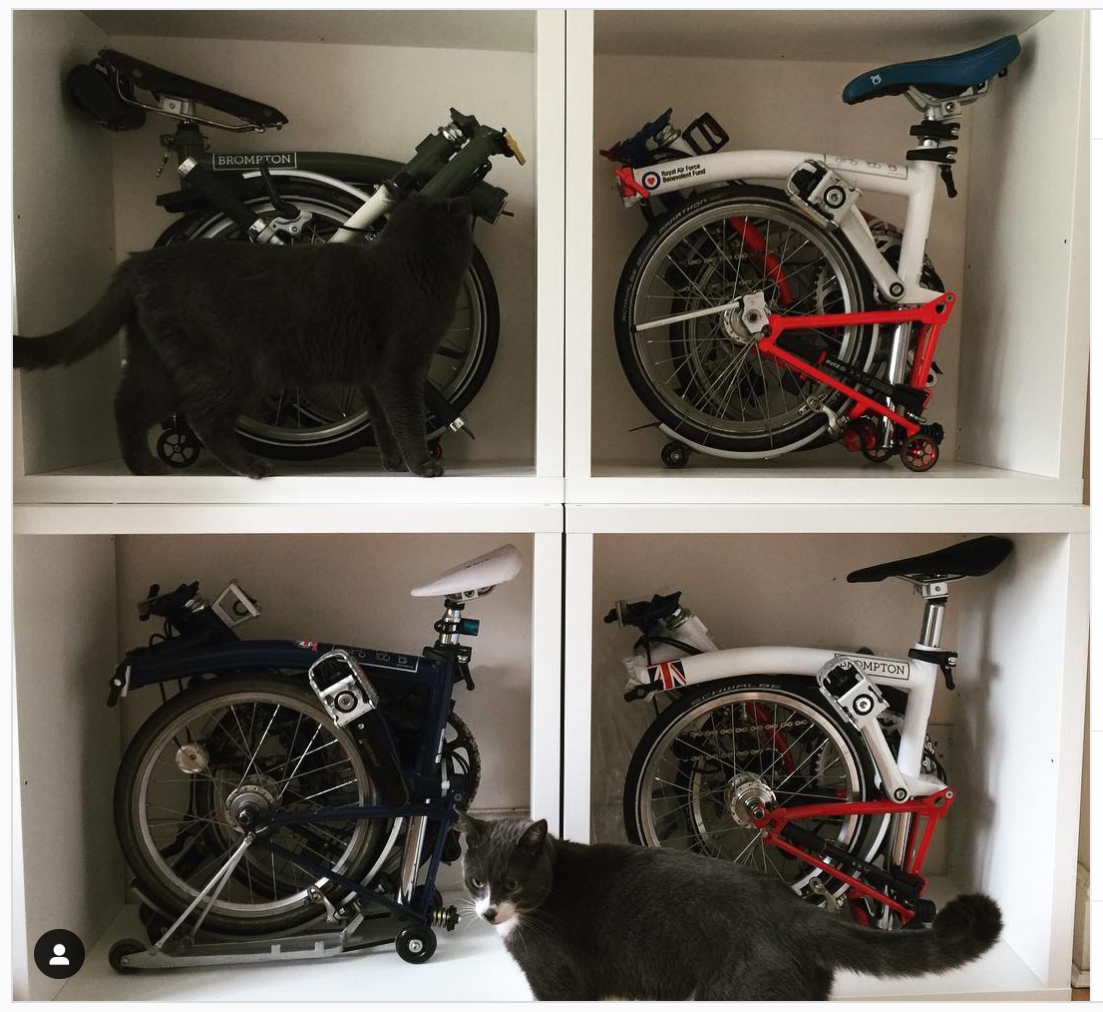
Early on in my Brompton ownership I joined the London Brompton Club and Brompton Hacks groups on Facebook. I rapidly discovered there are many people out there with a serious addiction to these engineering wonders. Some have as many as 10 different models, often shown off in Ikea Kallax storage walls, which are the perfect size to fit a folded Brompton.
Bike Gang on Instagram_ “My #brompton wall. IKEA Kallax
Fortunately I have a garage at home, so although I do fold my bike and tuck it neatly under my desk at work, I can leave it unfolded and ready to go at home.
As well as providing excellent advice for Brompton owners, these groups exposed me to the wide range of accessories available. There are endless debates on the pros and cons of replacing the factory fitted saddle with a Brooks. I admit they look beautiful with their polished leather and brass, but my bottom has been quite happy to save the £100 or so they cost.
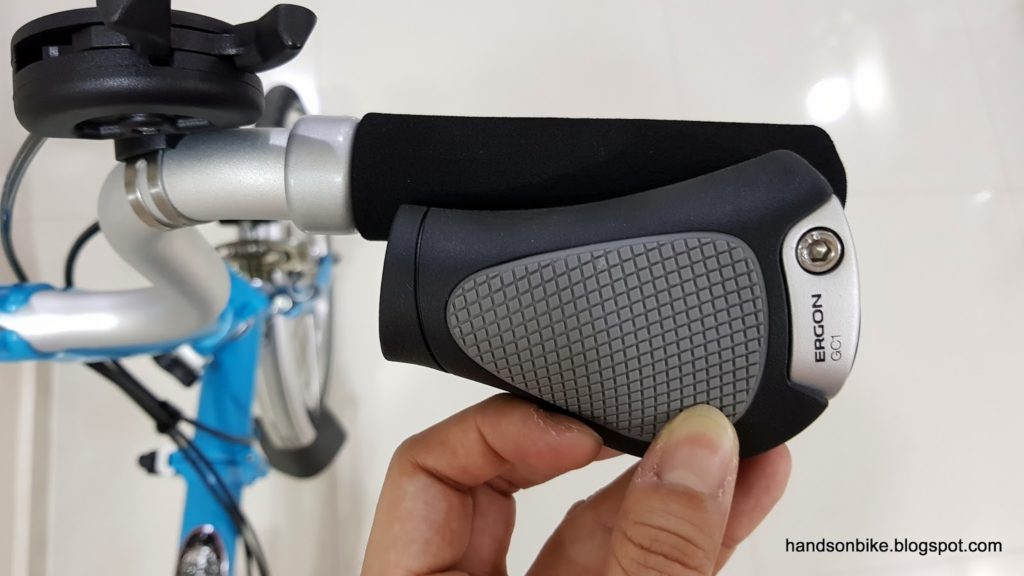
I must confess to having made a few changes to my bike over the years. In particular a mirror so I can see who is coming up behind me (The safest thing on my bicycle is my Mirrycle). I also installed an ingenious device to improve the fiddly latches (Speeding up my Brompton folding with SpedDial). And I replaced the soft foam handle bar grips with Ergons which really helped on my London to Brighton charity ride.
One issue I have become slightly obsessed with is visibility, both at night and in the day. I always wear a bright orange gilet, which I can see pedestrians notice when they are about to step out in front of me. For the night time I have a very bright rear light (My new Blazing Saddle ignited by my Burner light ), and two front lights (one to be seen, and one to show the way). I have also spent / wasted many hours experimenting with range of ideas, including luminescent paint on my tires, which literally glows in the dark.
Although they looked great, sadly they just weren’t bright enough, and the paint didn’t last. So I switched to reflective stickers instead. I think you will agree they are really much brighter.
So everything about my Brompton is great… except that for the last seven weeks it has been languishing in my garage due to coronavirus lock-down.
Hopefully it won’t be too long before I can start riding it again. But I heard on the news today I’m likely to have a lot of company on the roads for my daily commute. According to the BBC, fear of catching coronavirus on public transport has helped lead to a boom in cycle-to-work schemes. With a 200% increase in bicycle orders from people working for emergency services. Coronavirus: Boom time for bikes as virus changes lifestyles.
If this means less cars on the roads and more cycle-ways, I will be quite happy wobbling along on my Brompton together with these new converts to the joy of two wheeled transport.
I met Deborah Sim a few months ago in BIPC St Pancras, researching the market for sex objects. Not having come across this concept before, I wanted to know more.
A perfect example is this Rococo style figurine of Gabriel Lawrence. For £550 you can purchase a 27cm high, hand decorated figurine of the famous cross-dressing milkman hanged for sodomy in 1726.
“This traditional figurine depicts Gabriel Lawrence, a burly milkman, who frequented the infamous molly houses of London in the early 1700s.
He was arrested during the infamous raid on Mother Clapp’s in Field Lane, as part of a movement by The Society of the Reformation of Manners to eradicate lewd, profane and immoral activities throughout the city.
Gabriel, and two companions, William Griffin and Thomas Wright, were convicted of sodomy and sentenced to death. All three were hanged on the gallows at Tyburn in the spring of 1726.”
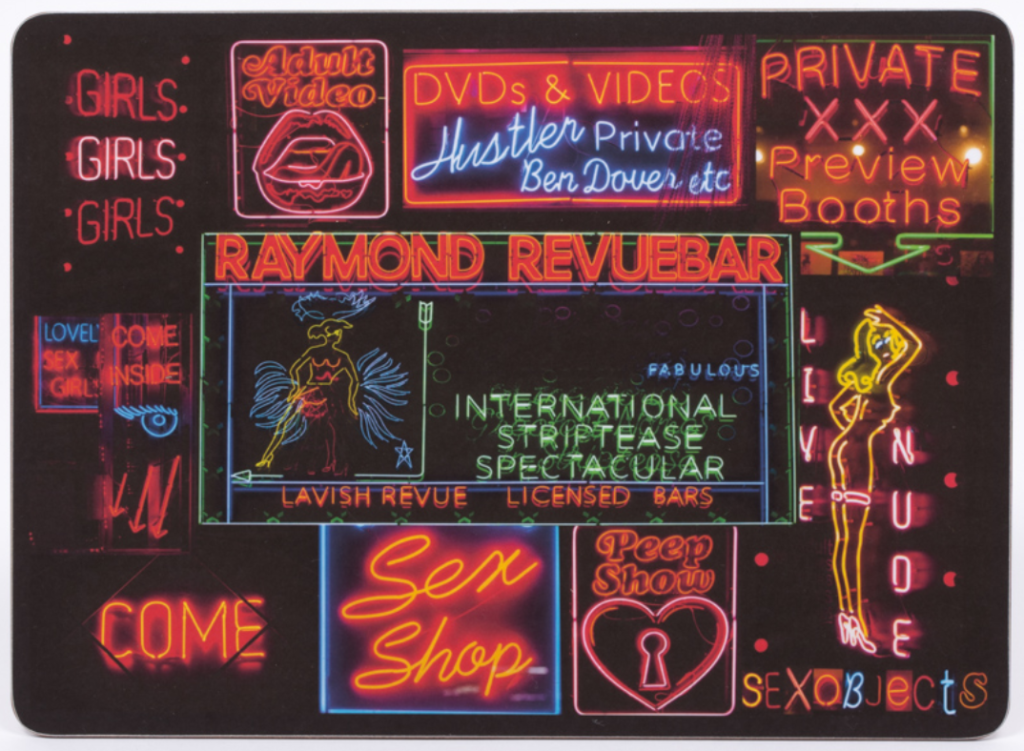
Other opportunities to “Buy curious” on Deborah’s Sex Objects website include lampshades and cushions in her Soho Illuminations collection which document the iconic neon signs. I remember some of these garish lights from visits to 1970’s London, trying to lure in ‘punters’ from the Soho streets.
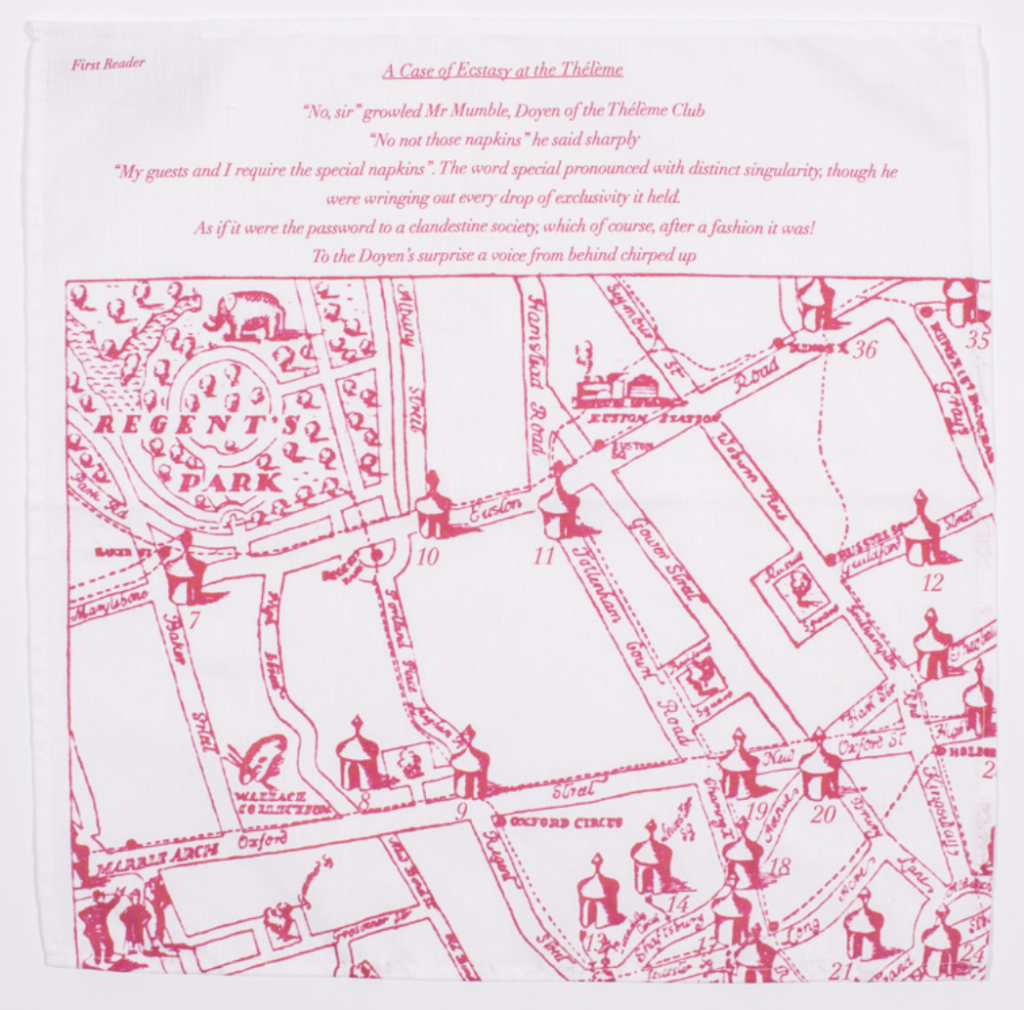
Or, how about this set of napkins sure to start a dinner party conversation…
“Based on an original design from London’s infamous Thélème Club the map is a thinly disguised guide to cottaging in 1930’s London. On them, public lavatories are marked alongside popular tourist attractions, such as London Zoo and Westminster Abbey. The toilets are charmingly represented by what appears to be jousting tents, perhaps intended to invoke a suggestion of two knights coming together wielding their erect lances. Mirroring this theme, two lavatory attendants, brandishing toilet brushes, can be seen reclining in the foreground.”
I was curious about how Deborah was going to test out the market for these intriguing gifts. Following the Lean Start-Up approach we are so keen on in the BIPC, she turned her flat into a museum shop. For the two weeks of the annual Heritage Open Days event in September she welcomed visitors into her home and tested the market for her Sex Objects.
Selling out almost all of her stock, it is safe to say the results were positive. Now she needs to move on to promoting her website sexobjectslondon.com to interested customers across the country.
With Christmas 2019 almost upon us, it’s time to think about presents for our loved ones.
No, I don’t mean our nearest and dearest friends and relatives. I mean creatures who we often put higher up the pecking order, our pets.
According to a study by Mars Petcare, pet owners will spend an average of £44 on treats and toys this Christmas. This adds up to over half a billion pounds in the UK over the festive season.
When asked why, 92% of respondents said they did not want their pets to feel left out.
This follows a trend of owners buying similar products for their dogs and cats as they buy for themselves. Examples include Christmas stockings, jumpers, Advent calendars and even pet friendly wine, beer and mince pies.
Lily’s Kitchen is credited with introducing Advent calendar for pets in 2014 with a run of 5,000. But since then sales have grown to more than 50,000.
Lilys Kitchen first Advent calendar containing dog biscuits
But when you are considering what tasty treats to buy for your loved ones, do remember their health should come first. The UK is currently in the midst of a dog and cat obesity epidemic, with 52% of pets obese or overweight, and with vets telling owners not to overindulge their pets or feed them inappropriately over Christmas. You have been warned.
I’ve been greatly enjoying the Netflix television series Sex Education recently. It’s a brilliantly funny and rude evocation of the traumas of teenage coming of age.
It is also a very odd mix of English teenagers, who appear to be studying in an American High School, set in the present day, but driving around in cars from the 1970’s. Including the infamous Austin Allegro, allegedly the worst car ever made.
The final episode of the first series is about the main character Otis Milburn trying to let-go of his hangups about sex. In his role as an amateur teenage sex-therapist he advises his client Lily Iglehart, who has similar issues, to ride her bike down a steep field as a way of ‘feeling the fear and doing it anyway’. He ends up he following her down the hill and flies over the handlebars.
But the point of this blog is the perfect product placement that follows. Lily who is something of an eccentric teen with a predilection for writing alien erotica, comforts our hero’s cut head and bruised ego, with her perfectly matched Nutcase crash helmet in full view.